


LETS BUILD SOMETHING INSPIRING TOGETHER
NEW@NOCTURNALSTUDIO.CO
STUDIO LOCATED IN
LOS ANGELES / CALIFORNIA
LOS ANGELES / CALIFORNIA
FOLLOW ON
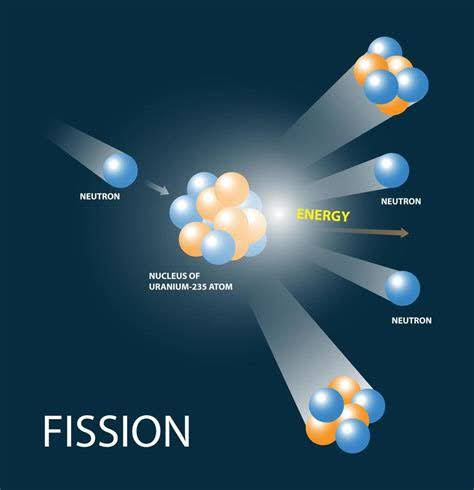
nuclear is the cleanest energy available. we've had this power for decades.
Every year, humanity puts over 30 billion tons of emmissions into the atmosphere from non-nuclear powers sources, the weight equivalent of 80,000 Empire State Buildings. Logically this is not sustainable.
Clean Power is essential, but intermittent sources can't meet constant and growing demand. Nuclear provides dense, carbon-free energy.
Clean Power is essential, but intermittent sources can't meet constant and growing demand. Nuclear provides dense, carbon-free energy.
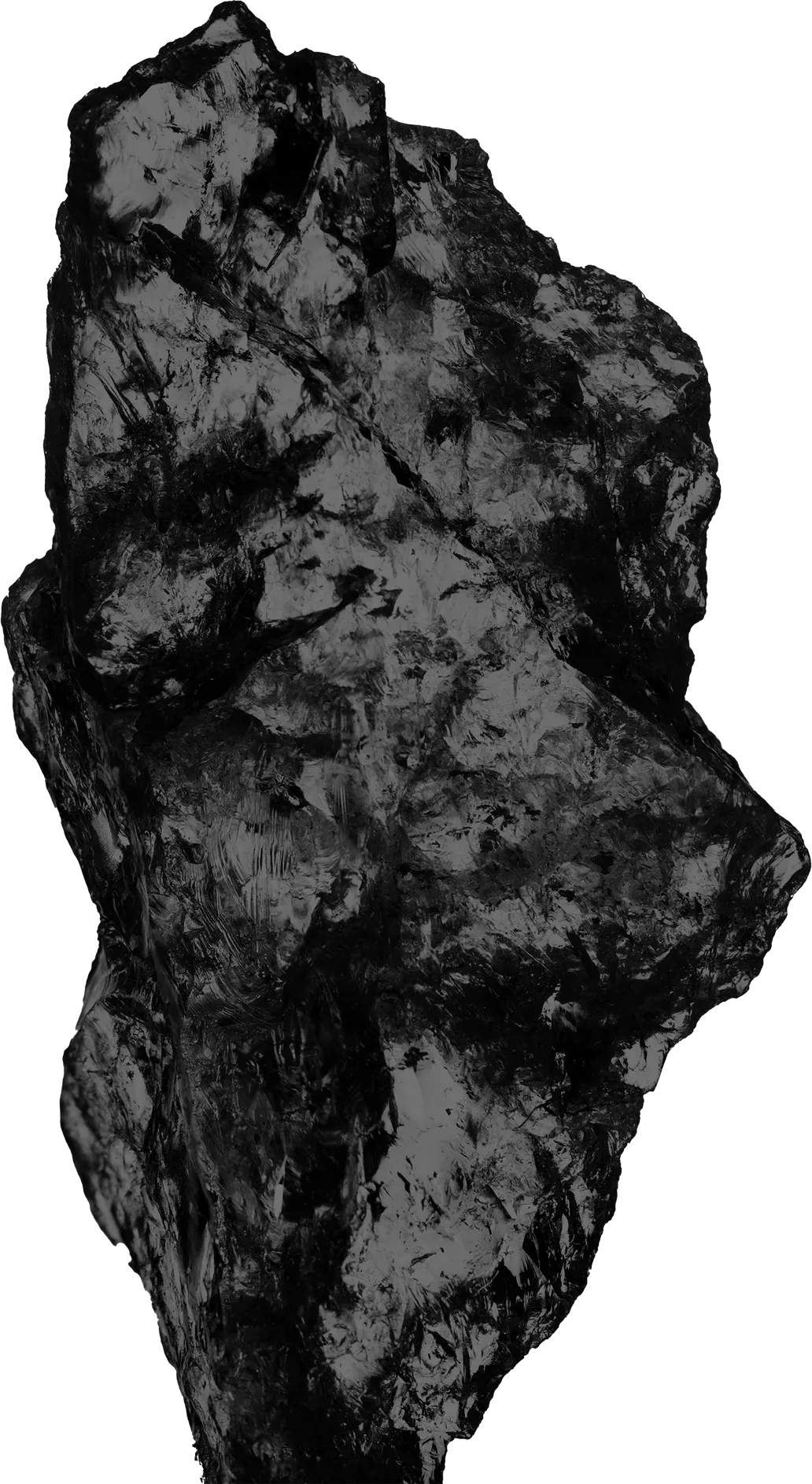
CARBON FOOTPRINT, gCO2/kWh
800
million pds/s
coal
400
million pds/s
GAS
90
million pds/s
BIOMASS
70
million pds/s
SOLAR
3
pds/s
NUCLEAR
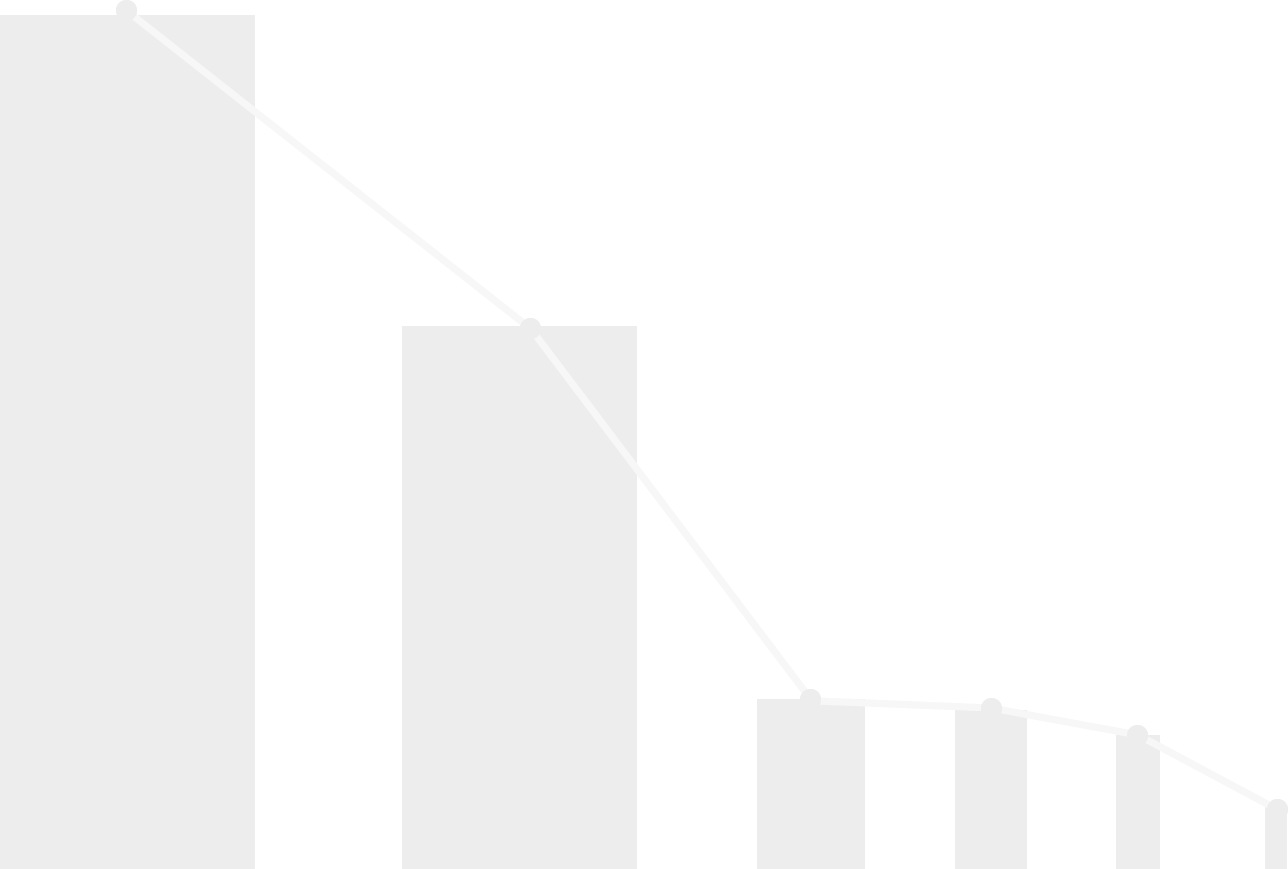
HOW FISSION WORKS
EVERY NUCLEAR REACTOR, OLD OR NEW, WORKS ON FISSION BY SPLITTING ATOMS AND TURNING HEAT INTO POWER.
[EXPLORE]
1. FISSILE MATERIAL
NEUTRONS (FROM A SMALL ACCELERATOR OR AN ISOTOPE THAT EMITS A SMALL STEADY STREAM OF NEUTRONS) ARE FIRED INTO A REACTOR'S CORE, WHERE FISSILE FUEL SUCH AS URANIUM IS LOCATED.
HOW FISSION WORKS
EVERY NUCLEAR REACTOR, OLD OR NEW, WORKS ON FISSION BY SPLITTING ATOMS AND TURNING HEAT INTO POWER.
1. FISSILE MATERIAL
NEUTRONS (FROM A SMALL ACCELERATOR OR AN ISOTOPE THAT EMITS A SMALL STEADY STREAM OF NEUTRONS) ARE FIRED INTO A REACTOR'S CORE, WHERE FISSILE FUEL SUCH AS URANIUM IS LOCATED.
2. HEAT CREATED
AN ATOM OF FISSILE MATERIAL, USUALLY URANIUM, WHEN STRUCK WITH A NEUTRON, GIVES OFF MORE NEUTRONS AND HEAT.
3. CHAIN REACTION
THIS CAUSES A CONTROLLED CHAIN REACTION LIMITED BY THE AMOUNT OF FUEL IN THE SYSTEM, OR BY A MODERATOR LIKE CONTROL RODS, WHICH SLOWS THE CHAIN REACTION.
turning fission into useful heat
This step is what ultimately transforms nuclear energy from microscopic reactions into real-world power.
In any reactor, the physics of fission are the same; what changes is how effectively the system can remove, control, and use the heat.
In any reactor, the physics of fission are the same; what changes is how effectively the system can remove, control, and use the heat.
LETS BUILD SOMETHING INSPIRING TOGETHER
NEW@NOCTURNALSTUDIO.CO
STUDIO LOCATED IN
LOS ANGELES / CALIFORNIA
LOS ANGELES / CALIFORNIA
FOLLOW ON


what we do with the heat from fission
Heat from nuclear fission creates many uses for real world power.

generate electricity
through turbines
provide industrial process heat
for manufacturing
heat buildings or districts
with clean steady thermal energy
desalinate seawater
to produce fresh, potable water
If the fundamental physics are identical across all nuclear reactors, the real difference comes from how you handle the fuel and how efficiently you move the heat. Our molten salt approach makes those steps simpler, safer, and more effective.
WHY MOLTEN FUEL SALT CHANGES EVERYTHING
The fundamentals of Fission are the same, but FUEL dissolved in MOLTEN SALT changes the game completely
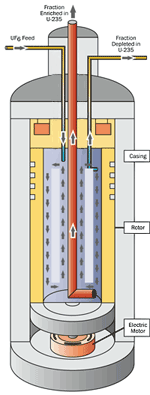
Fissionaire's MS-TSBR uranium enrichment process
The gas centrifuge process uses a large number of rotating cylinders in series and parallel configurations.
Gas is introduced and rotated at high speed, concentrating the component of higher molecular weight toward the outer wall of the cylinder and the lower molecular weight component toward the center. The enriched and the depleted gases are removed by scoops.
LETS BUILD SOMETHING INSPIRING TOGETHER
NEW@NOCTURNALSTUDIO.CO
STUDIO LOCATED IN
LOS ANGELES / CALIFORNIA
LOS ANGELES / CALIFORNIA
FOLLOW ON
this is where the big difference happens
ts-msbr fuel is effiecent & simple
Traditionally uranium is formed into solid fuel as pellets or pebbles. This process is expensive and has always left us with tons of unused nuclear waste.
Pellets only use 4% of their available energy. Leaving 96% as waste.
Pebbles use 50%. Leaving 50% waste.
The good news is that Fissionaire’s molten fuel salt reactor can burn this waste as fuel
keeping it from entering our environment and ensuring near 100% waste management.
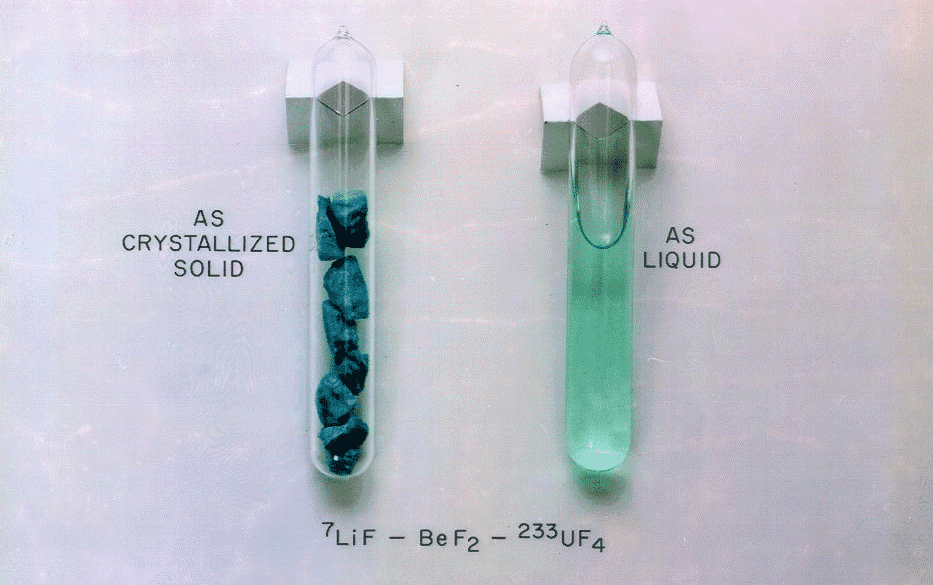
Uranium, radioactive waste and thorium is dissolved in MOLTEN SALT – creating the most efficient reactor ever designed. Uranium atoms are dissolved with the maximum possible surface area and dispersion. Every atom is accessible for fission. Nearly all atoms are used.
The magic of molten salt systems is that nearly all atoms eventually get their turn to undergo fission. Making the whole system far more efficient. Its “equal opportunity for every atom".